PCOS
PCOS: eating better without cutting out carbs
Insulin balance, not carb elimination, is what usually moves the needle with PCOS. Here is what to change first.
Nutrft nutrition team16 September 2026 6 min read
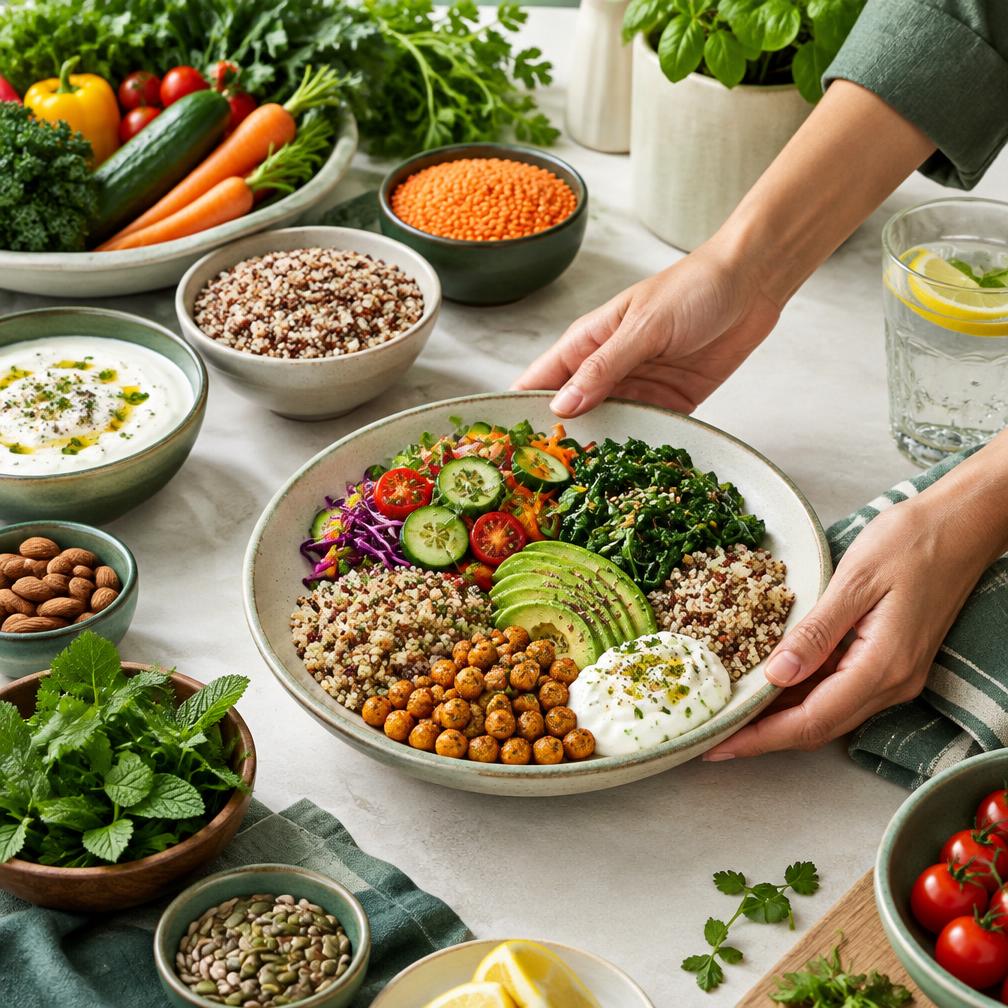
Most PCOS advice online starts by removing something: rice, roti, fruit, sometimes all carbohydrate. In practice, the people who hold their results for years rarely did that.
Why insulin matters more than carbs
Many people with PCOS have some degree of insulin resistance. That means the body needs more insulin to move the same sugar out of the blood. High circulating insulin nudges the ovaries towards producing more androgens, which is where irregular cycles, acne and stubborn weight often come from.
The practical point is this: it is the size, pacing and pairing of carbohydrate that drives the insulin response, far more than whether carbohydrate is present at all.
Four changes that usually come first
- Pair every carbohydrate with protein and fibre. Roti with dal and salad behaves very differently from roti alone.
- Move the largest carbohydrate portion earlier in the day, when insulin sensitivity is usually better.
- Add 20–30g of protein to breakfast. This alone flattens the mid-morning crash for most people.
- Walk for 10–15 minutes after your largest meal. Small, boring, and one of the most reliable changes there is.
If a plan requires you to cook separately from your family, it will not survive a busy month. Build around the kitchen you already have.
What about weight?
Weight loss can improve cycles, but the order matters. Aggressive cuts raise stress hormones and often worsen cycles before they help. Steady changes of 0.25–0.5 kg a week, with protein kept high, are far more likely to hold.
When to get professional input
If you have recent thyroid, insulin or vitamin D results, bring them. If cycles have been absent for months, or you are planning a pregnancy, work with both your doctor and a dietitian rather than a generic plan.
Want this applied to your own week?
A verified dietitian can turn this into a plan around the food you already eat, your schedule and your reports.
This article is general nutrition information for adults. It does not diagnose conditions or replace advice from your doctor. For symptoms, medication changes or urgent concerns, contact your treating doctor.